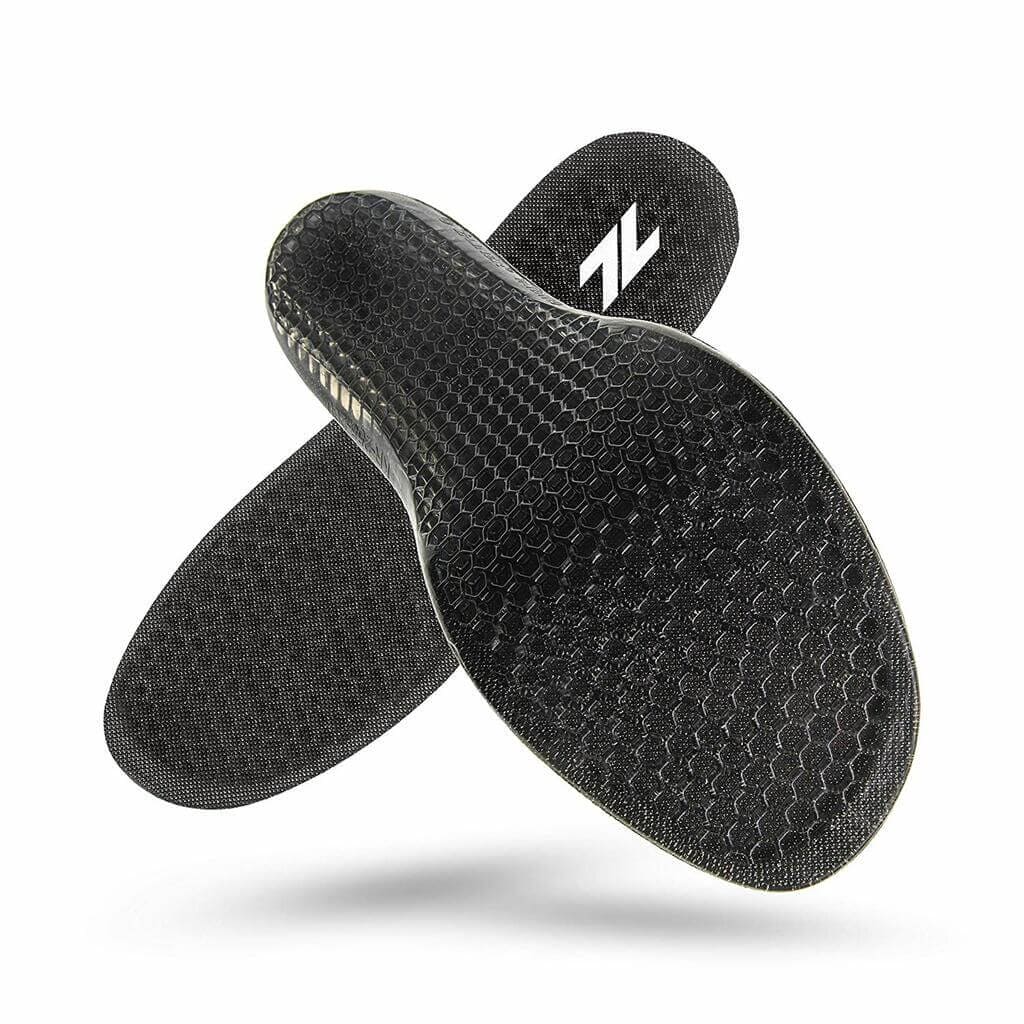
What's the Best Insole for Work Boots? Our Honest Answer

You start your shift feeling fine. By hour six, your heels ache. By hour ten, every step on concrete feels like a punishment.
If you've ever Googled "what's the best insoles for work boots," you already know the problem. Most insoles feel decent on day one and fall apart by week three. The foam packs down, the arch support disappears, and you're right back to sore feet, tired legs, and a lower back that won't let you forget it.
Here's what actually works. The best insoles for work boots provide lasting shock absorption, real arch support for your specific foot shape, and a breathable fit that holds up through long shifts. For most workers, Z-Liner delivers all three at $29.99 with free US shipping and a 100% money-back guarantee.
This guide breaks down what to look for, who Z-Liner is best for, and when you might need something different.
What's the Best Insole for Work Boots?
A good work boot insole does five things well: absorbs shock on hard surfaces, supports your arch and heel, fits without crowding the toe box, keeps your feet dry, and holds up for months, not weeks.
The Short Answer
Look for work insoles that check all of these:
-
Real shock absorption for concrete and hard floors
-
Arch support that matches your unique foot shape
-
A fit that works inside steel-toe and heavy work boots
-
Moisture-wicking and odor control for day-long use
-
High quality materials that provide support and reduce fatigue through 10- to 12-hour shifts
Our Honest Answer
Z-Liner works best for warehouse workers, tradespeople, healthcare staff, and anyone putting in long hours in boots or work shoes. It self-customizes to your unique foot shape after about a week of wear. No molds, no oven, no podiatrist visit. The arch region uses denser material that forms to your specific arch, flat feet included.
Try Z-Liner work boot insoles with free US shipping
Why Do Stock Work Boot Insoles Wear Out So Fast?
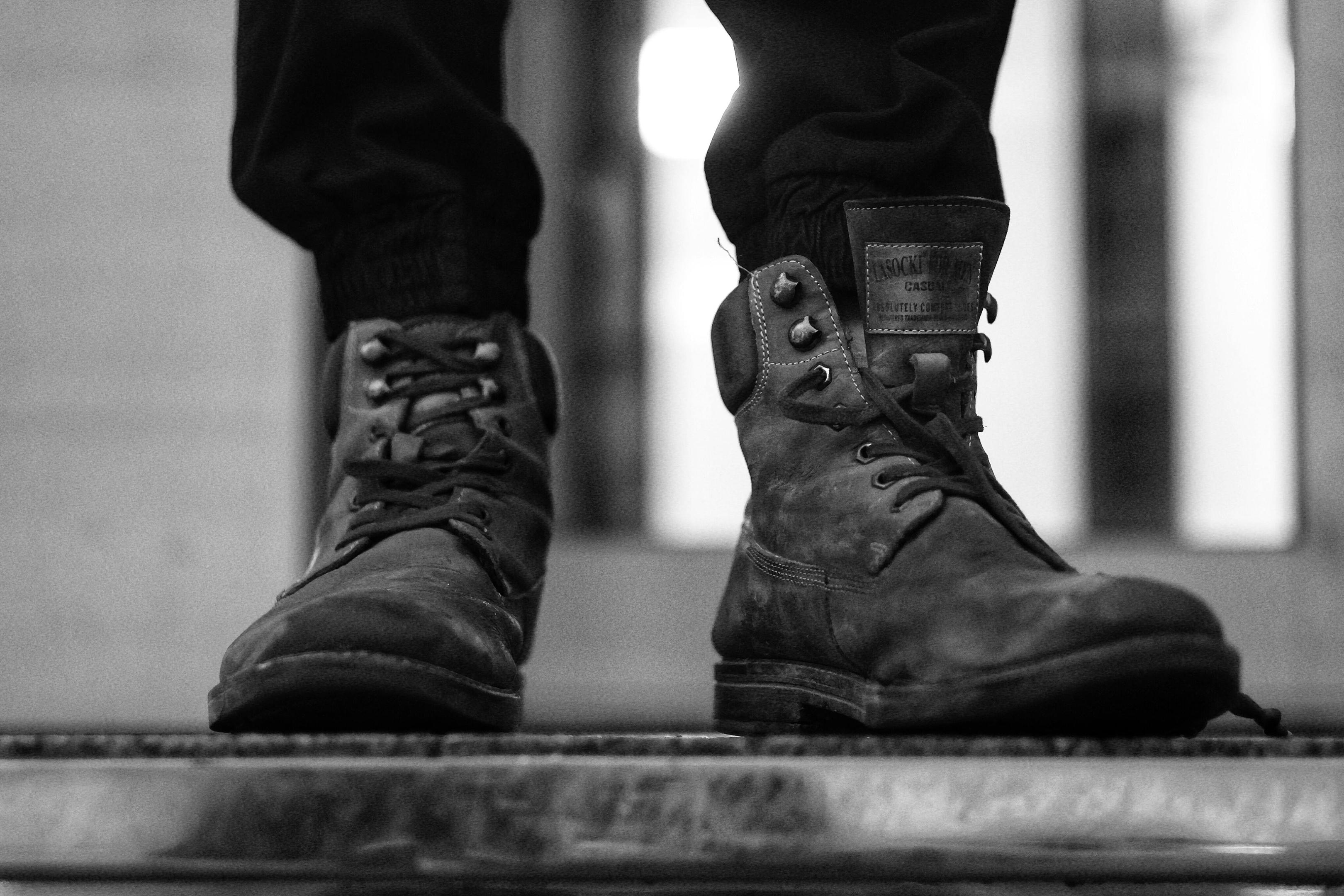
Most work boots ship with thin foam insoles cut to a generic foot shape. They compress under body weight and don't recover. Once flat, they stay flat.
Why Factory Insoles Fall Short
Within a few weeks, you've lost whatever cushion and arch support they offered. Here's what that looks like day-to-day:
-
No extra arch support from day one
-
Foam that packs down fast under daily weight
-
Little shock absorption on concrete or uneven terrain
-
Heat and moisture trapped inside the boot
-
Foot fatigue that builds through the shift and doesn't fully recover overnight
What That Feels Like After a Long Shift
Sore heels show up first. Then tired arches. Then hot spots on the ball of the foot. These foot issues compound fast when you're standing on hard floors for hours. Without good support insoles, some workers also develop knee pain, runner's knee, or lower back pain from poor foot alignment over long shifts.
According to a survey by the American Podiatric Medical Association, nearly 8 in 10 adults have experienced a foot problem. Prolonged standing on hard surfaces is among the most common contributing factors. Poor footwear support is also a leading cause of plantar fasciitis, blisters, corns, and other foot injuries on the job.
What Should You Look for in the Best Insoles for Work Boots?
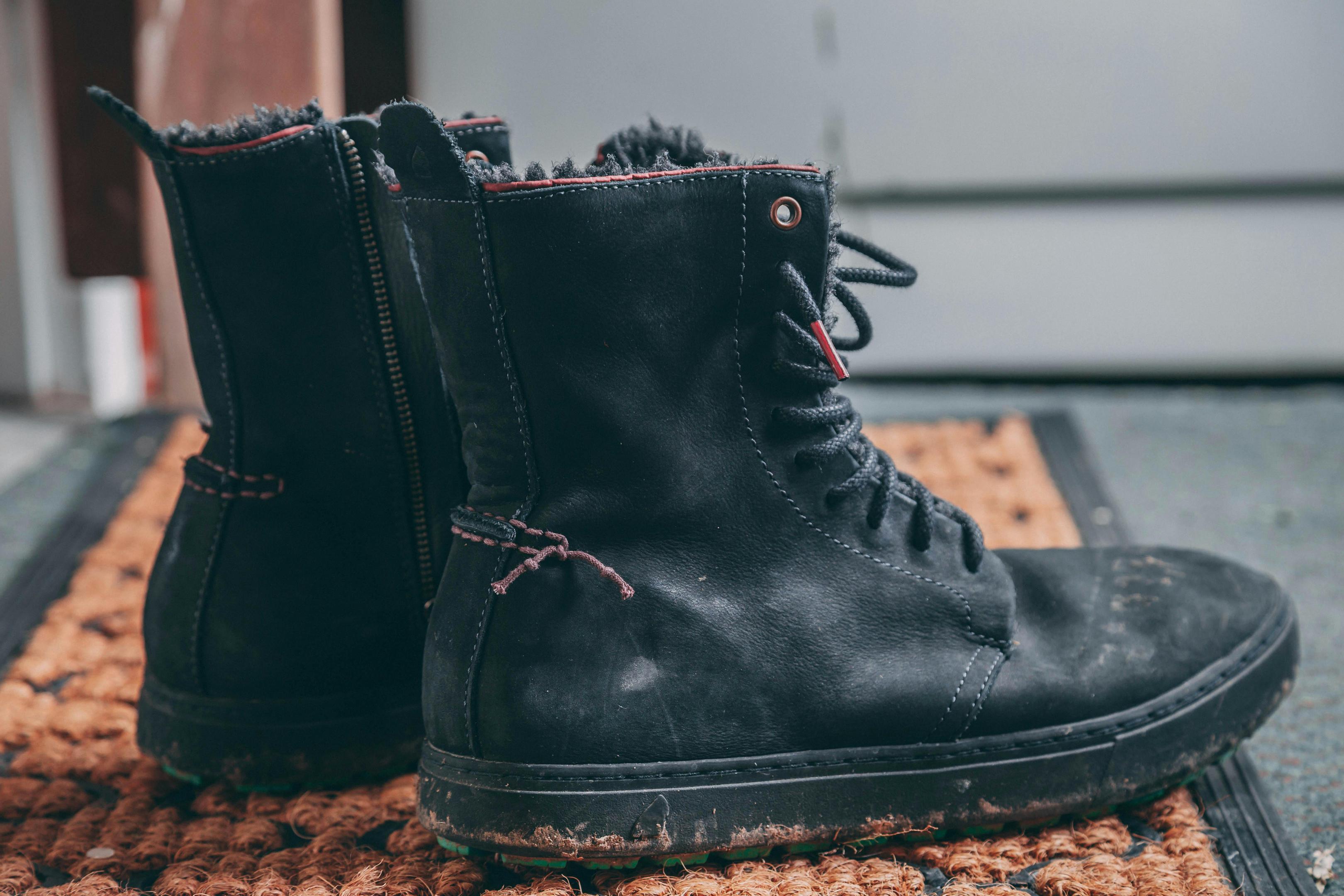
Here's what separates great insoles from cheap ones that flatten in six weeks.
Cushioning That Lasts All Shift
Standard foam compresses and stays compressed. Memory foam is better than basic foam, but it recovers slowly and can feel unstable on hard floors. For hard surfaces, you need a material with fast rebound that absorbs impact and returns to form with each step.
High quality materials like high-density EVA, polyurethane, and honeycomb gel designs provide more cushion and last far longer than basic foam. Z-Liner's ZL™️ Hexcore honecomb design uses a hexagonal honeycomb lattice. Each pod compresses on impact and springs back, giving you reliable support and excellent cushioning rather than a foam base that bottoms out by noon.
Arch Support That Matches Your Foot Shape
Flat feet need firm structure to prevent overpronation. High arches require extra arch support and cushioning to spread weight across the entire foot. Neutral arches need a balance of both. An insole designed for the wrong arch type can create new pressure points instead of solving old ones.
A deep heel cup provides targeted cushioning at the heel and stabilizes the heel bone through the gait cycle. That additional support matters most during extended periods on your feet. Higher volume insoles work best in work boots and hiking boots, which have a wider midfoot construction. Medium-thick insoles work well in casual shoes and work shoes with a more standard fit.
A Fit That Works Inside Actual Boots
Steel-toe boots have less interior space than casual shoes or hiking shoes. A thick insole can crowd the toe box and put pressure directly on the toes. Look for a low-profile insole with a slimmer profile described specifically as boot-compatible.
Full-length insoles work in most work boots. If your boot runs narrow, look for trim lines on the insole for accurate sizing. Always remove the stock insoles before inserting new ones to avoid discomfort and a tight fit.
Breathability and Odor Control
Without airflow, moisture builds up inside the boot. That moisture feeds bacteria and leads to blisters, odor, and foot injury over time. It can also increase pressure on the plantar fascia and the heel, making pain worse through the day. A porous or mesh top layer wicks moisture away and helps keep your feet dry through long shifts. Antimicrobial treatment controls odor between washes.
Pairing good insoles with moisture-wicking socks makes a huge difference for workers on their feet all day. Machine-washable insoles are more practical than most buyers realize. Five days a week in a work boot adds up fast. An insole you can wash is one you'll actually maintain.
Durability and Real Cost
Cheap insoles that flatten in six weeks cost more over a year than a better insole that lasts four to six months. Budget foam is rarely the bargain it looks like. Expensive insoles are not always the answer either. What matters is construction quality and whether the materials hold up under the specific demands of your job.
At $29.99, Z-Liner sits well below traditional custom orthotics, which typically cost $300 to $800 with a podiatrist visit, while still delivering self-customizing, orthotic-level support.
Why Z-Liner Is Our Pick for Most Work Boots
Z-Liner is the insole we'd recommend to someone we know who works on their feet all day.
Self-Customizing Fit Without Appointments or Molds
Some orthotic insoles are heat moldable, requiring an oven or a clinic to shape them to your foot. Standard custom orthotics need a clinical appointment, a foot impression kit, and a wait. Z-Liner adapts on its own. The arch material is denser than the rest of the insole and forms to the unique shape of your foot gradually through regular wear, about a week for most people.
That means reliable support shaped to your actual foot, not a generic average. It works for flat feet, high arches, and everything in between. For workers who require extra support but don't want to deal with orthotics, this is just what makes Z-Liner a game changer.
Targeted Cushioning and Shock Absorption
Z-Liner's ZL™️ Hexcore honecomb design compresses on impact and returns to its original form. That cycle delivers targeted cushioning from heel to toe and reduces the shock sent into your feet, ankles, and lower body on hard surfaces. Unlike standard foam, the structure doesn't permanently pack down.
For workers on hard surfaces or varied terrain for extended periods, this is the biggest practical difference from a stock insole.
Breathable, Antimicrobial, Machine Washable
Z-Liner uses a porous mesh fabric over a honeycomb lattice. Air moves through the insole as you walk, wicking moisture and helping keep feet dry. The antibacterial and antimicrobial treatment controls odor through long shifts, and the insole is machine washable for easy upkeep.
Better Value Than Expensive Insoles or Custom Orthotics
Expensive insoles and custom orthotics can run $300 to $800. Z-Liner is $29.99 with free US shipping and a 100% satisfaction guarantee. The self-customizing design gives you better support shaped to your actual foot without the cost or the clinic.
Shop Z-Liner insoles with free US shipping
Who Is Z-Liner Best For?
Z-Liner works well if you:
-
Stand or walk on concrete, tile, or hard floors most of your shift
-
Wear steel-toe boots, heavy work boots, safety footwear, or work shoes
-
Deal with regular foot fatigue, sore arches, or heel pain
-
Want excellent arch support without adding bulk inside your boot
-
Need one insole that moves between work boots, hiking boots, and casual shoes
Z-Liner is designed to work in work boots, hiking boots, casual shoes, dress shoes, and sneakers. If you want one good quality insole that transfers across multiple types of footwear, it handles all of them.
When Z-Liner May Not Be the Right Answer
Z-Liner is not the right fit for everyone.
You May Need Something Different If...
-
You have persistent foot pain or a foot injury that hasn't improved with over-the-counter support
-
A podiatrist has recommended a rigid prescription orthotic for a diagnosed condition
-
Your work boots already fit tightly and a full-length insole would make it worse
-
You need medical-grade correction rather than adaptive cushioning
If your foot pain is worsening, speak with a podiatrist before relying on any other insole. Good cushioning doesn't fix a clinical problem like a stress fracture or nerve issue.
How to Fit Insoles in Work Boots
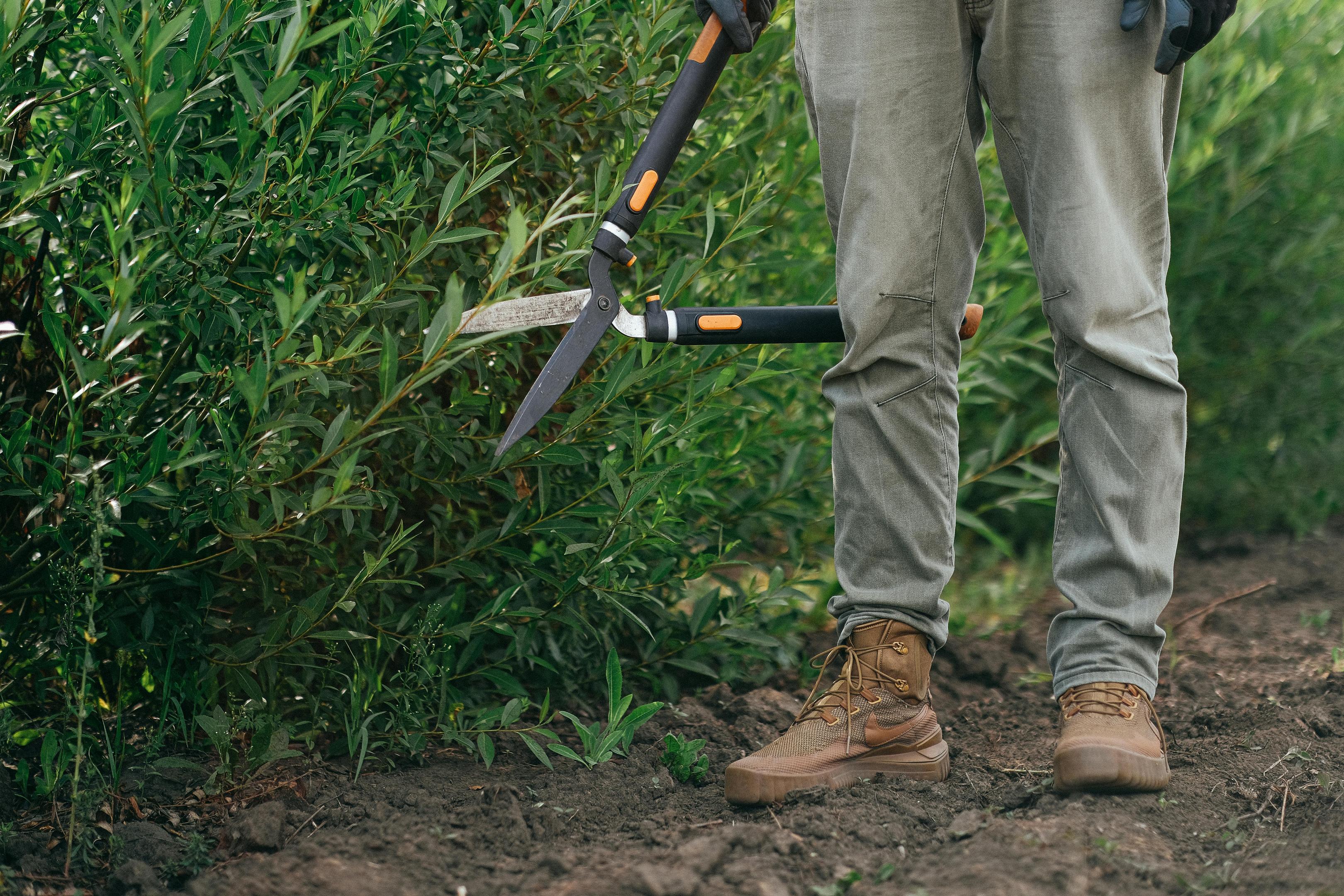
Getting the fit right is more important than most buyers expect.
Simple Fitting Steps
-
Remove the stock insoles first. Don't layer on top of them.
-
Compare the new insole to the original for length and width.
-
Trim only if needed, following the trim line on the insole.
-
Test with the work socks you actually wear on shift. Sock thickness affects fit.
-
Walk for an hour before committing to a full shift.
-
Allow about a week for Z-Liner to fully form to your foot before judging the support.
If you wear wide sizes, Z-Liner recommends ordering one full size up and trimming to width. Pairing your new insoles with moisture-wicking socks and foot powder can further reduce sweat and odor, especially in warm environments.
Frequently Asked Questions
Should you put insoles in work boots?
Yes. Factory insoles provide minimal support and flatten fast. Replacing them with good quality insoles reduces foot fatigue, prevents blisters, and can provide relief from the arch and heel pain that builds up from daily use on hard surfaces.
Are work boot insoles worth it for standing on concrete?
Concrete sends every step's impact straight back into your feet, ankles, knees, and lower back. A good insole with real shock absorption and excellent arch support reduces that stress across your entire lower body. The difference is usually noticeable from day one.
What insoles are best for steel-toe boots?
Steel-toe boots have less interior volume than regular shoes. Look for a low-profile insole designed for boot use. Z-Liner has a slimmer profile that fits inside steel-toe boots without pressing against the safety cap or crowding the toe box.
How long do work boot insoles last?
Good quality insoles typically last four to six months under daily use. Budget foam can flatten in four to six weeks. When your heel cup loses structure or your arch support goes soft, it's time to replace. Most workers who require extra support replace their insoles every four months.
Can insoles help with plantar fasciitis or heel pain?
Insoles with a deep heel cup and extra arch support reduce stress on the plantar fascia, the tissue running from the heel bone to the base of the toes. This provides real relief for many people with plantar fasciitis and heel pain. Severe or worsening cases still benefit from a podiatrist evaluation alongside supportive insoles.
Do insoles help prevent blisters and foot injuries?
Yes. Insoles that fit your unique foot shape reduce friction between your foot and boot. They also distribute pressure more evenly across your entire foot, which helps prevent blisters, corns, and calluses from forming during long shifts.
How long does it take Z-Liner insoles to break in?
About a week of regular wear. The arch material gradually forms to your foot shape during that time. The fit improves daily through the break-in period. Give it the full week before judging the final support.
The Best Work Boot Insole Is the One That Still Works at Hour Ten
Most insoles feel fine at the start of a shift. The real test is the end of a day-long shift on concrete.
For workers on hard surfaces, the right insole provides excellent cushioning, reliable support for your unique arch shape, and a breathable fit that keeps feet dry. Z-Liner delivers on all three at a price well below expensive insoles and custom orthotics, with a satisfaction guarantee behind it.
Shop Z-Liner insoles at $29.99 with free US shipping
Related reading: