The Best Insoles for Narrow Heels: Comfort and Support Solutions

Here's a guide on everything you need to know when choosing the best insoles for your narrow heels.
If you have narrow heels, you know the struggle. You lace up your athletic shoes, boots, or casual footwear, yet the back of your foot still slides with every step. That extra movement leads to slipping, friction, and painful blisters. And even when there’s cushioning under the forefoot, the heel still feels unstable.
Most insoles and shoe inserts are designed for average heel width. They don’t account for what happens when the heel doesn’t sit securely.
In this blog, we break down:
-
Why your narrow heels cause so many comfort problems
-
What to look for in insoles for narrow heels
-
The best solution for comfort, support, and stability
-
How to get the right fit for your heel shape
Let’s get your heels properly supported—without wasting money on inserts that don't do the job.
What Causes Narrow Heel Discomfort?

It starts with one issue— your shoe. More specifically, you have discomfort when your shoe's width doesn't match your heel's width.
When the heel doesn’t match the width of the shoe:
-
The heel slides up and down
-
Shoes rub on the skin → blisters and raw spots
-
The foot becomes unstable, affecting balance
-
You feel more pressure in the front of the foot
-
The arch collapses slightly → compensation in the ankle or knee
It’s not that your feet are the problem. In most cases, it’s because your shoes aren’t built for your shape. Even popular brands often make shoes with a medium heel width by default. That mismatch can alter walking mechanics and, over time, sometimes trigger issues like shin splints, heel pain, or ball-of-foot pain.
What to Look For in Insoles for Narrow Heels
Finding the best insoles for narrow heels starts with understanding which features truly keep the heel from sliding around inside the shoe. A narrow heel needs structure, not extra bulk. When evaluating inserts and orthotics, focus on:
-
Deep or Structured Heel Cup
A secure heel cup prevents slipping, which reduces blisters, heel pain, and that unstable feeling when you walk or play sports. The deeper the “seat,” the more centered your foot stays. -
Firm Arch Support for Alignment
Many people with narrow feet also have high arches or mild overpronation. A supportive arch stabilizes your stride and helps prevent issues like plantar fasciitis, shin splints, and ball of foot pain. -
Anti-Slip Grip on the Bottom
A textured or adhesive base keeps the insole locked inside the sneakers, athletic shoes, boots, or loafers—not sliding forward with every step. -
Shock Absorption That Doesn’t Flatten
Foam-only insoles tend to flatten fast under weight. Look for responsive materials that adjust to motion while maintaining comfort and support for hours on end. -
Slim-Fit Profile
Some insoles are too wide at the sides or too bulky at the back. A narrow design avoids crowding the heel area and improves the fit of casual footwear, dress shoes, and leather shoes. -
Pressure Relief for Forefoot & Heel
Good narrow-heel inserts reduce pressure so your foot feels more comfortable across the forefoot and heel, even during long, active days.
The right features equal the best solution: improved stability, reduced pain, and shoes that stop feeling uncomfortable or loose.
Best Insoles for Narrow Heels (Top Recommendations)

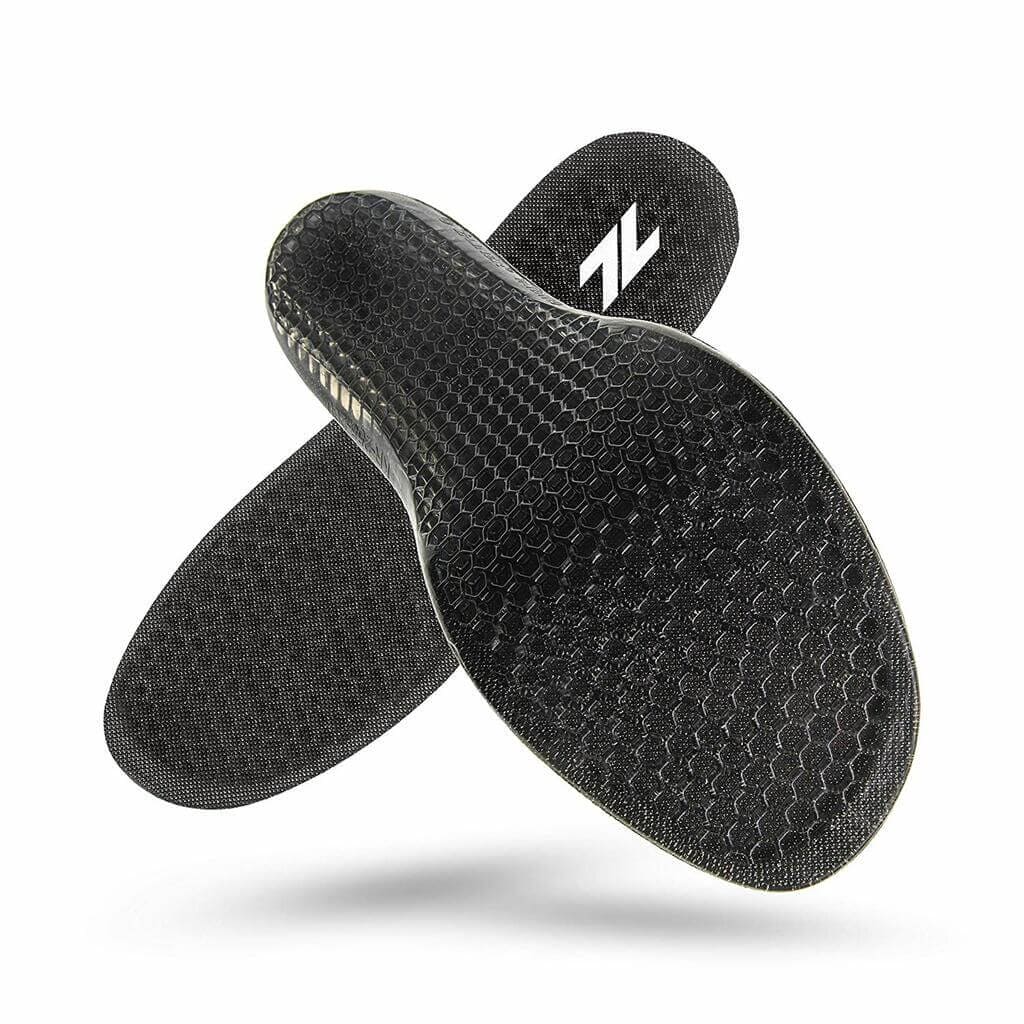
1. Z-Liner Insoles — Editor’s Top Pick
If you’re looking for the best solution for narrow heel support, this one checks every box:
-
Designed to match narrow heel shapes
-
Slim profile that fits athletic shoes, work boots, and everyday sneakers
-
Heel-lock stability keeps the rearfoot secure
-
Shock-absorbing layer protects against joint fatigue
-
Firm and adaptive arch structure for those with narrow feet or high arches
-
Helps relieve plantar fasciitis and alignment-related pain
Ideal for: men and women who stand for hours at work, people who walk daily, and those who dislike shoes that feel loose at the back.
2. Traditional Foam or Gel Insoles
-
Soft cushioning
-
Low price and widely available
Limitations: flattens fast, too wide for slim heels, not enough support for long-term wear
3. Heel Cups and Heel Grips
-
Basic aid for slipping in loafers or dress shoes
-
Useful when space in the heel is minimal
Limitations: no arch support, little stability, minimal comfort benefits for the whole foot.
A Z-Liner vs Foam/Gel Insoles Comparison Table
|
Feature |
Z-Liner |
Foam/Gel Insoles |
|---|---|---|
|
Narrow Heel Fit |
Excellent |
Moderate |
|
Shock Absorption |
High |
Low–Moderate |
|
Durability |
Long-lasting |
Flattens fast |
|
Stability |
Strong |
Weak |
|
Heel Support |
Structured |
Soft only |
Who Gets the Most Relief from Narrow-Heel Insoles?
These insoles help more people than you might think. You will benefit from narrow-heel insoles if:
-
Your heel constantly slides up and down inside the shoe
-
Shoes feel secure at the width of the forefoot, but loose at the back
-
You’re prone to blisters after hours of walking or running
-
You have narrow feet or a narrow heel shape by nature
-
You struggle with heel pain, plantar fasciitis, or arch fatigue
-
You wear work boots or stand long hours for your job
-
You participate in sports that demand quick direction changes
-
Your loafers or dress shoes lack stability
-
You want to extend the life of a favorite brand or pair of shoes
A secure heel hold can make a noticeable difference in performance, balance, and the daily comfort of your wear.
How to Select the Right Narrow-Heel Fit
Choosing insoles for narrow heels is a simple process once you know what matters:
-
Match Heel Cup to Heel Shape
If your heel is slim, a rounded, wide heel cup won’t stabilize it. Select a model designed for narrow profiles. -
Verify Arch Placement
Your arch should align with the support built into the insole, not too far forward or backward. Misalignment can add discomfort or even waste your purchase. -
Trim-to-Fit Options
Some insoles allow trimming. Follow the cutting guidelines on the inside to avoid removing too much at once. -
Footwear Compatibility Check
Consider where you’ll use them. Are they for running, walking, office shoes, everyday sneakers, or outdoor boots? Some fit best in medium to roomy styles. -
Test for Heel Lift
Take a few steps after inserting. If your heel lifts even a bit, reassess sizing or cup depth. -
Try an Activity-Based Fit Quiz
Many retailers now offer a guided quiz to ensure the right match based on foot shape and activity.
A considered plan leads to a better fit and prevents wasted time, money, or returns.
How to Use Narrow-Heel Insoles the Right Way
To get full performance out of your narrow insoles, follow these simple steps:
-
Remove Factory Insoles - stacking layers can cause crowding and slipping. Start clean.
-
Insert From Heel to Toe - secure the heel first to lock in stability throughout the shoe.
-
Wear with the Right Socks - thin dress socks or snug athletic socks reduce motion inside the shoe.
-
Break-In Period - your body needs time to adjust to added arch and heel support. Start with short wear periods, then increase over several days.
-
Check Fit Regularly - if you feel new pain or shifting, adjust placement or trim again.
-
Know When to Replace - when cushioning fades or support declines, it’s time for a new set, especially if you’re active for long hours each day.
Proper use ensures maximum comfort, avoiding unnecessary pressure or uncomfortable rubbing.
Frequently Asked Questions (FAQs)
1. Are insoles effective for narrow heels?
Yes. Narrow-focused orthotics can dramatically improve heel stability and reduce friction-related issues.
2. Can insoles stop heel slipping?
If the heel cup fits correctly, slipping will be reduced or eliminated.
3. Can insoles help prevent blisters from narrow heels?
Definitely. Reducing friction is part of their design.
4. What type of shoes work best with insoles for narrow heels?
Most athletic shoes, work boots, and some casual footwear accommodate narrow insoles well. Very low-volume dress shoes may require heel grips instead.
Take the Next Step Toward Better Heel Stability
A narrow heel shouldn’t keep you from enjoying your favorite shoes. The right insole can add structure, prevent slipping, and relieve stress from the heel to the forefoot—while keeping your shoes comfortable all day.
If you’re ready to feel a real upgrade in comfort and balance, Z-Liner insoles are designed for stability where narrow heels need it most. Try them and experience better comfort, better support, and a better fit.
Searching for More Benefits of Insoles?
These guides can help you with that:
Have a different activity or foot need in mind? We’re here to help. reach out any time, and we’ll guide you to the best solution based on your foot type and lifestyle.