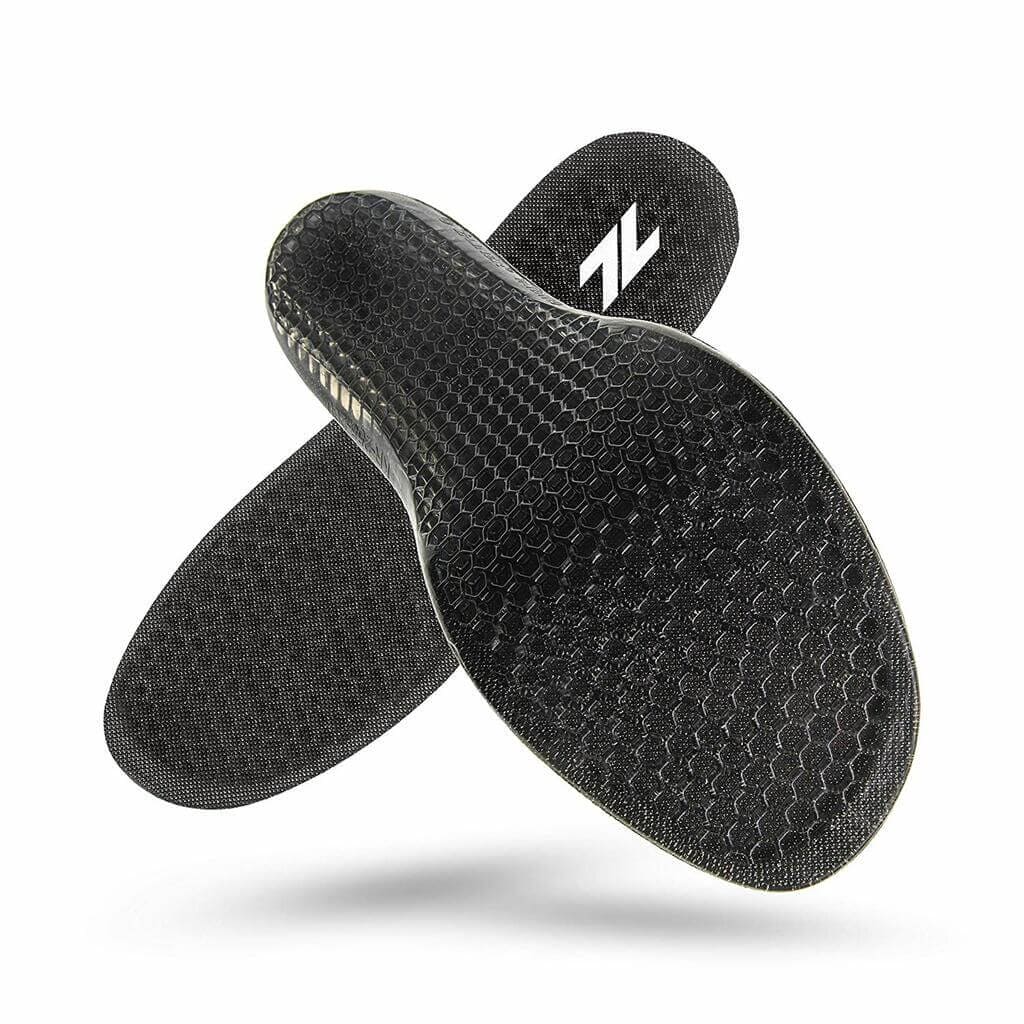
The Best Replacement Insoles for Brooks Running Shoes (2026 Update)

We studied and tested several Brooks replacement insoles and put together our observations below.
A worn-out insole can hurt your feet in ways you aren't even aware of. Most runners hit that wall somewhere between 300 and 500 miles. Because Brooks doesn't sell standalone replacement insoles at retail, finding the right replacement insoles is on the wearer.
The good news is that the right aftermarket insole can bring your shoes back to life. This article walks you through why insoles wear out, what to look for in a replacement, and which options work best with Brooks running shoes in 2026.
Why Replace Your Brooks Insoles?

Even the best shoes feel off once the insoles wear down. Here is why a replacement running insole matters for comfort, support, and injury prevention.
1. Revive the Original "Brooks Feel"
Brooks shoes are known for their smooth ride and responsive cushioning. That feel starts with the insole. Over time, the original insole compresses, flattens, and loses its rebound. A replacement insole can restore cushioning and shock absorption that made you fall in love with your pair in the first place.
2. Extend the Life of Your Shoes
A quality insole protects your midsole from early breakdown. By reducing direct stress on the foam below, a new insole can give your Brooks another 100 to 200 km of use. This also reduces strain on your feet, knees, and ankles during long runs.
3. Prevent Injuries as Mileage Builds
Worn-out insoles stop supporting the arch and heel. This leads to poor alignment and common overuse injuries like shin splints, knee pain, or plantar fasciitis. A supportive insole with deep heel cups and proper arch support helps keep your body in line through high-impact sessions.
4. Fine-Tune Fit and Support
Brooks designs shoes for a wide range of foot shapes, but your feet are unique. Whether you have flat feet, high arches, or overpronation, the right custom orthotic or aftermarket insole gives you support where you need it most. A good insole transforms a standard fit into one that is actually built around your stride.
5. Brooks Does Not Sell Replacement Insoles at Retail
Brooks does not sell replacement insoles in stores or on Amazon. Unless your pair qualifies under their Run Happy warranty, you will need to look at aftermarket options built to match Brooks' fit and performance. That is where insoles like Z-Liner come in.
👉 Not sure which insole fits your Brooks model? Browse Z-Liner Custom Orthotics to find the right fit.
What to Look For in Running Shoe Replacement Insoles
Brooks shoes are already fine-tuned for performance. Your insole should work with the shoe's design, not against it. Here are the five most important factors to check.
1. Arch Type Compatibility, Including Flat Feet
The arch type is the starting point. The wrong match leads to instability, hotspots, or fatigue. Insoles come in various arch heights and cushion types, so it helps to know your foot first.
-
Flat feet need firm medial support to control overpronation. Note that overpronation is not inherently bad, but it can cause discomfort over a lot of miles without the right support.
-
High arches benefit from cushioned support to reduce impact loading.
-
Medium arches work well with neutral or semi-rigid options that balance comfort and control.
Not sure about your arch type? Try the wet paper towel test. Step on a piece of paper with wet feet. If you see your full foot, you likely have low arches. If only your heel and forefoot show, you have high arches. You can also visit a local Brooks retailer for a gait analysis.
2. Cushioning, Foam Type, and Stack Height
The cushioning stack height impacts shoe fit and stability. Adding too much insole volume raises your center of gravity and reduces ground feel. Choosing the right stack is based on your body weight and the shoe model you run in.
High-density closed-cell foam is a good choice for shock absorption in running. High-density polyurethane foams are designed for prolonged impact absorption. Proprietary materials like Z-Liner's ZL™ HEXCORE absorb shock and provide a supportive feel that holds up over time.
-
Cushioned models like the Ghost or Glycerin: use lower-profile insoles with soft top layers, such as Z-Liner or Currex MED.
-
Racing shoes like the Hyperion: prioritize lightweight, low-stack inserts like Superfeet Thin. Lightweight inserts help maintain responsiveness in speed shoes.
Always remove the factory sock liner before adding an aftermarket insole. According to podiatrists at Michigan Foot Doctors, stacking insoles on top of the stock liner alters the heel drop and reduces forefoot volume.
3. Stability and Heel Cup Depth
If you run in Brooks stability models with GuideRails, like the Adrenaline GTS, choose an insole that maintains rearfoot control without disrupting the shoe's natural motion path.
-
Look for deep heel cups that align the calcaneus.
-
Choose semi-rigid frames for structure without stiffness.
-
Avoid ultra-soft gel insoles in structured shoes. They can destabilize your stride.
Structured insoles can enhance support in stability shoes while complementing the built-in features of the shoe, not replacing them.
4. Breathability and Moisture Management
Long runs mean sweat. Wet insoles mean blisters. Moisture control in insoles prevents heat buildup, and breathable materials reduce moisture to prevent blisters during running.
Look for top layers made of moisture-wicking mesh or bamboo fiber, perforated bases for airflow, and antimicrobial treatments like Polygiene® for odor control. Z-Liner features a honeycomb base that acts like a built-in air pump, circulating air with every step to keep your feet dry and cool.
5. Full-Foot or Heel Cup Style, and Trim-to-Fit
Insoles come in full foot styles or heel cup and arch-only styles. Full-length insoles offer more surface coverage and are a better fit for most running shoes. Heel-cup-only options work well when you want to add targeted support without changing the shoe's overall feel.
Most aftermarket insoles are slightly oversized. Trim from the forefoot, not the heel or arch. Use your original Brooks liner as a tracing guide. Insole volume should match your foot dimensions for the best fit, with no heel slippage and the arch sitting right under your midfoot.
Top Brooks Replacement Insoles (2026 Rankings)
|
# |
Insole |
Arch Options |
MSRP (₱) |
Best For |
Key Tech |
|---|---|---|---|---|---|
|
1 |
Z-Liner Insoles |
Self-molding |
2,999 |
High-mileage runners, plantar fasciitis relief |
ZL™ HEXCORE Technology; self-custom fit; antimicrobial mesh |
|
2 |
Superfeet Insoles |
Medium arch |
3,200 |
Neutral-arch shoes (Ghost, Launch) |
EVOLyte® carbon stabilizer; Aerospring® rebound foam; 20% thinner profile |
|
3 |
Currex RunPro |
Low / Med / High |
2,900 |
Runners wanting dynamic energy return |
Triple-layer foam; 3 arch heights; moisture-wicking bamboo |
|
4 |
Powerstep Pinnacle Running |
Medium arch |
2,450 |
Overpronators (Adrenaline GTS) |
Semi-rigid polypropylene shell + PORON® heel pad |
|
5 |
Brooks Courtesy Sockliner |
OEM shape |
Free (warranty only) |
Warranty replacement only |
BioMoGo foam; limited availability |
|
6 |
Endoto High-Rebound EVA |
Neutral |
1,300 |
Budget or casual use |
High-rebound EVA; full-length perforations |
|
7 |
SOLE Active Medium |
Heat-mold |
3,050 |
Orthotic-level support |
Cork/EVA base; oven mold at 90°C; 2-year warranty |
|
8 |
Sidas 3Feet Run Protect |
Low / Med / High |
3,600 |
Long-distance recovery |
Gel heel and forefoot pods; Polygiene® odor control |
👉 Ready to purchase? Shop Z-Liner Insoles and check the options that fit your Brooks.
How to Pick the Right Replacement Insoles for Your Running Shoes
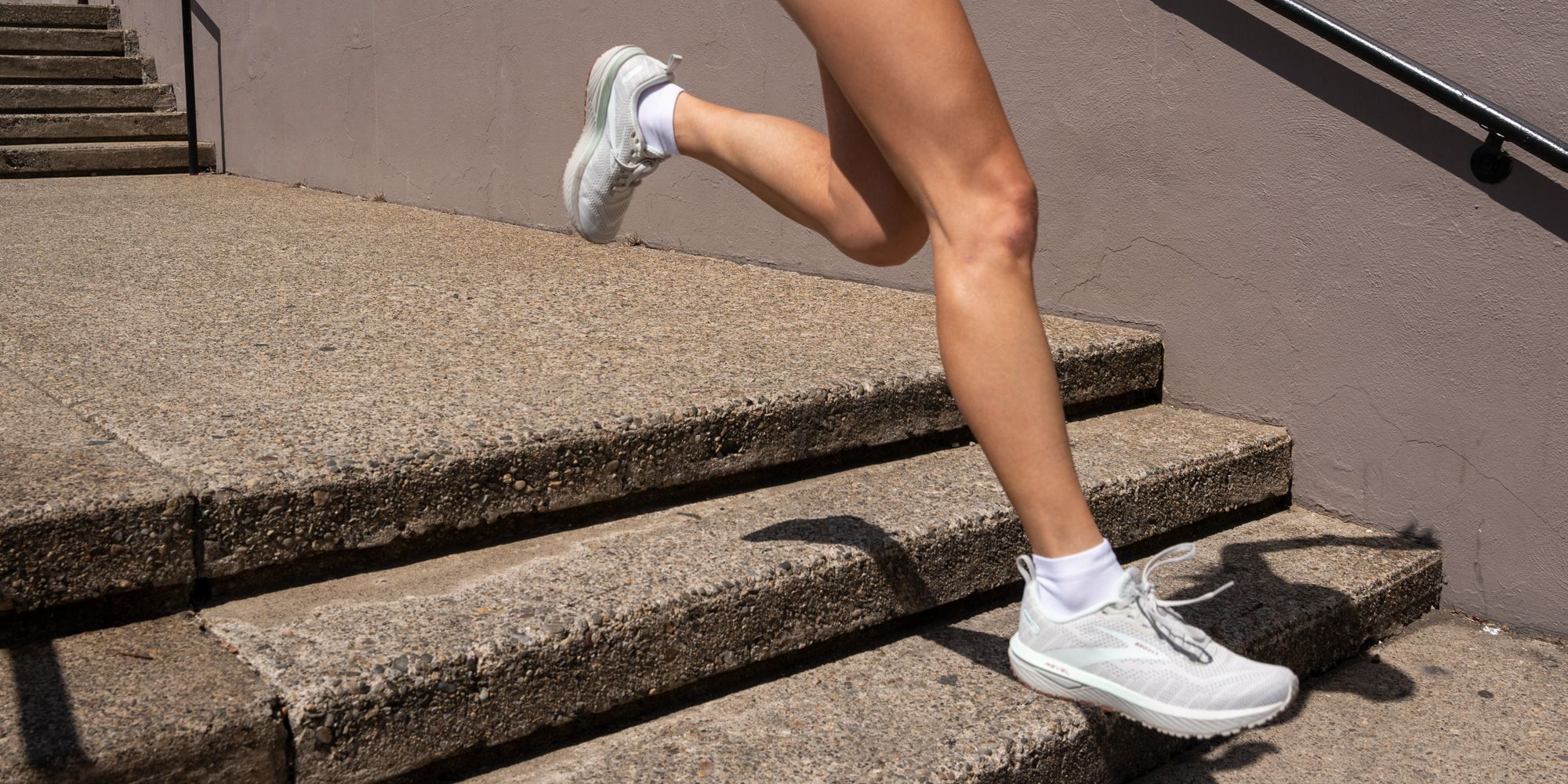
Choosing the right insole affects how you move, recover, and how long your shoes last. Here is a practical step-by-step guide.
1. Understand Your Foot Type, Especially Flat Feet
Use the wet paper towel test, or get a free gait analysis at a local Brooks retailer. If you already have foot pain, a short visit with a physical therapist can save you a lot of time. Runners with flat feet need medial arch support based on their arch shape. Runners with high arches need more cushioning than correction.
Some insoles are designed for comfort while others are designed for pain management. Knowing which category fits your situation helps narrow down your options fast.
2. Match the Insole to the Shoe
Most Brooks shoes provide significant built-in comfort and support. Your insole should add to that, not work against it. For cushioned models like the Ghost or Glycerin, look for soft but supportive insoles that do not bulk up the interior. Z-Liner insoles fit well here, maintaining the shoe's plush feel while adding real support.
Stability models like the Adrenaline GTS or Ariel need firmer, more structured insoles. Brands like SOLE or Powerstep work well without interfering with the GuideRails system. For speed shoes like the Hyperion or Launch, stick with low-profile inserts. Lower-profile inserts maintain a shoe's step-in comfort in neutral shoes, and help keep your stride responsive.
3. Think About How and Where You Run
If you log more than 40 km a week, your feet take a lot of impact. That calls for insoles with durable arch reinforcement and long-lasting cushioning. Z-Liners are built for this, with ZL™ HEXCORE technology that holds up under repeated impact. Comfortable shoe conditions lower injury frequency over time, and good insoles are a big part of that.
For trail runners, traction and stability matter most. Look for insoles with secure heel cups and stable bases to keep you grounded on uneven terrain.
4. Address the Pain You Are Managing
Plantar fasciitis and heel pain need deep heel cradles and firm arch support. Z-Liner and Powerstep both handle this well. Burning forefoot pain responds better to gel cushioning in the toe area, like what you find in Sidas or Endoto models.
It helps to read up on what other users and customers have experienced with a given insole before you buy. Check reviews and reply threads and post any questions you have on the seller's site, not just on Amazon. People often share helpful details about sizing, fit, and what to expect when items arrive. The packaging can also tell you a lot about what you are getting before you even open the box.
Note: insoles help runners with specific foot discomfort. They cannot fix running form or gait mechanics. If you have no foot pain and your current pair still feels comfortable, you may not need aftermarket insoles at all.
5. Break Them In Gradually
Start with 30 minutes of wear on day one. Do a short 5 km run on day two. By day three, most quality insoles, including Z-Liners, begin to mold to your arch and feel more natural. Give your feet time to adjust before you add more mileage or change your training load.
👉 Have questions? Read our FAQs or check customer success stories from runners who have already made the switch.
Frequently Asked Questions (FAQs)
How often should I replace my insoles?
Most quality insoles, including Z-Liners, should be replaced every 300 to 500 miles of running or walking. For regular runners, that is roughly every 4 to 6 months. Some high-density insoles built from polyurethane foam can last past 1,000 miles before replacement is needed. Some brands offer a "million mile" guarantee on their materials. That said, cushioning performance still degrades over time, so it is good to check for wear regularly.
Watch for reduced cushioning, a flattened arch zone, lingering foot or knee pain after runs, or persistent odor. These are signs your insoles are no longer doing their job.
Can I switch insoles between shoes?
Yes, as long as both shoes have removable liners and a similar internal shape. Use your original insole as a cutting template when trimming. The insole should lie flat inside the shoe without bunching under the arch or toes.
Z-Liner's thin and lightweight profile makes them easy to move between running shoes, work boots, and casual shoes without needing to order a new pair every time.
Are aftermarket insoles better than the stock Brooks liner?
The factory sock liners in Brooks shoes provide shape and minimal moisture control. They deliver very little structured arch support or long-term cushioning. Sock liners provide zero real support and rarely much cushion. Most aftermarket insoles add adaptive arch support, deeper heel cups, energy-return foam, and breathable top layers that the stock liner lacks.
For runners with high mileage, flat feet, or conditions like plantar fasciitis, the upgrade is usually worth it. For runners with no foot pain and shoes that still feel fresh, it may not be necessary.
Where can I buy replacement insoles for Brooks shoes?
You can find aftermarket insoles on Amazon, at running specialty stores, or directly through brand websites. If you are interested in Z-Liner insoles, you can purchase them at z-liner.com. The site is live with updated sizing options and current stock. Buying directly from the seller means you get the most updated packaging and sizing options, plus direct email support if you have questions about fit. If something does happen with your order, it is easier to reach the brand and understand your rights as a customer when you buy direct, helping you get the right pair without the runaround.
Final Verdict
Brooks shoes are among the best running shoes available, but the right replacement running insole takes their comfort and performance further. In 2026, Z-Liner Insoles stand out for delivering personalized relief, lasting protection, and a fit that adapts to your stride. Whether you are recovering from plantar fasciitis, logging 40 km weeks, or just looking for more comfort with each step, the right insole helps you run stronger and recover faster.
👉 Shop Z-Liner Insoles and find the right fit for your Brooks.